Top Interior Design Trends for Luxury Homes in 2026
Top Interior Design Trends for Luxury Homes in 2026
Luxury home design in 2026 centers on calm spaces, natural materials, tailored details, and rooms that improve daily life. The biggest shift is clear: luxury no longer depends on visual excess. It depends on comfort, craftsmanship, and purpose.
Across Canada and the USA, high-end homeowners want interiors that look refined and feel livable. They want smart features, but they want them hidden. They want statement pieces, but not clutter. They want beauty, but they also want wellness, privacy, and long-term value.
This is why the strongest luxury interior design trends focus on warm minimalism, functional elegance, and personalization.
Why are luxury interiors changing in 2026?
Luxury interiors are changing because homeowner priorities have changed. Large homes still need impact, but they also need to support real life. Owners now expect spaces that work for hosting, working, relaxing, and recharging.
That has pushed design in three directions:
- warmer and softer materials
- multi-functional rooms
- less visible technology
The result is a luxury home that feels edited, intentional, and highly personal.
1. Quiet luxury leads the design direction
Quiet luxury is the strongest design trend for 2026. It replaces flashy finishes with subtle quality. Instead of obvious status symbols, this style uses balance, craftsmanship, and rich materials.
You see quiet luxury in:
- warm oak or walnut cabinetry
- natural stone with soft veining
- plaster or limewash walls
- tailored upholstery
- unlacquered brass or matte metal finishes
- simple but sculptural furniture
This style works because it feels expensive without trying too hard. It also ages better than trend-heavy interiors.
Design tip
Use fewer materials and repeat them throughout the home. This creates consistency and gives the space a stronger architectural identity.
2. Natural materials stay at the center
Natural materials continue to define luxury interiors because they add texture, warmth, and permanence. In 2026, designers are using materials that feel authentic and visually grounded.
The most common choices include:
- travertine
- marble
- oak
- walnut
- linen
- boucle
- leather
- hand-applied plaster
These materials help large spaces feel more intimate. They also photograph well, which matters in luxury real estate marketing.
A living room with oak flooring, a stone fireplace, linen drapery, and a curved wool sofa feels high-end because the materials do the work.
3. Wellness rooms become essential
Wellness is now a major part of luxury home planning. Homeowners want spaces that support physical and mental health, not just visual appeal.
Popular wellness-focused features include:
- home gyms with custom finishes
- infrared saunas
- meditation rooms
- spa bathrooms
- recovery areas
- sleep-focused primary suites
This trend is growing because luxury buyers connect value with quality of life. A beautiful home should also make daily routines better.
What makes a wellness space feel luxurious?
A luxury wellness room uses calming lighting, natural materials, quiet acoustics, clean air, and hidden storage. It should feel restorative, not clinical.
4. Kitchens look softer and more integrated
Luxury kitchens in 2026 feel less commercial and more architectural. They blend into the home instead of standing apart from it.
Key features include:
- wood cabinetry in warm tones
- integrated appliances
- stone backsplashes
- oversized islands
- concealed storage
- secondary prep kitchens or sculleries
This shift matters because open-concept homes need a kitchen that looks polished from every angle. High-end kitchens now function like custom furniture.
Actionable insight
Prioritize layered lighting in the kitchen. Use ambient, task, and decorative lighting together. This improves both usability and atmosphere.
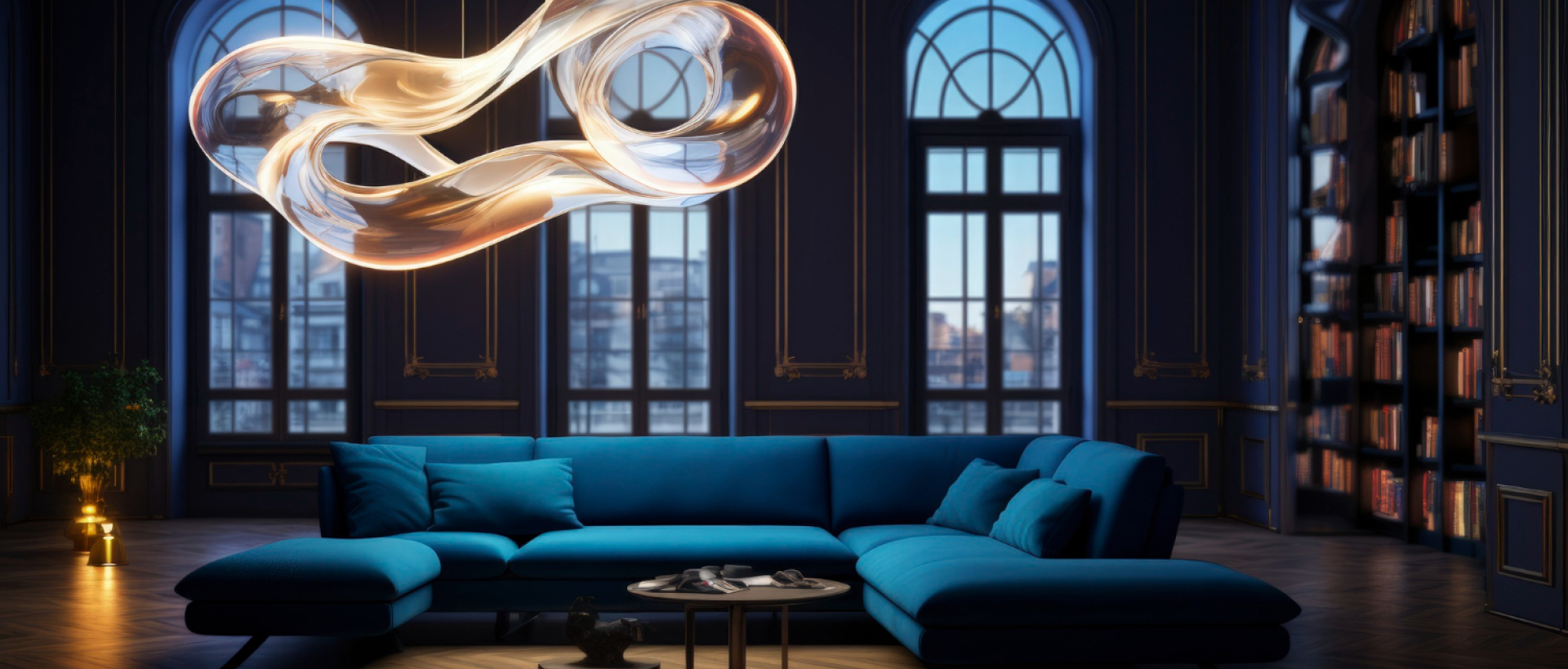
5. Statement lighting becomes sculptural
Lighting in luxury homes now acts as both utility and art. In 2026, sculptural lighting becomes a defining feature in entryways, dining rooms, kitchens, and primary suites.
Trending styles include:
- hand-blown glass chandeliers
- plaster sconces
- oversized pendants
- linear fixtures
- hidden LED cove lighting
The goal is not to over-light a room. The goal is to create depth and focus. Good lighting improves the look of every surface in the home.
6. Custom millwork adds identity
Bespoke millwork is one of the clearest signs of luxury. It makes a home feel tailored and finished. It also improves storage, which adds practical value.
Popular millwork applications include:
- media walls
- walk-in wardrobes
- mudrooms
- wine displays
- home libraries
- built-in office spaces
Custom millwork matters because it turns empty square footage into functional design. It also gives a home a more unique visual signature.
7. Curved forms soften modern spaces
Curved shapes continue to grow in luxury interior design because they balance the hard edges found in many modern homes. They help rooms feel more relaxed and welcoming.
You see this trend in:
- curved sofas
- rounded islands
- arched doorways
- circular mirrors
- soft-edge coffee tables
Curves make interiors feel more human. In large luxury spaces, that softness prevents the home from feeling too rigid.
8. Technology becomes less visible
Luxury homes still need smart features, but in 2026 the best tech is integrated quietly. Homeowners want convenience without visual clutter.
The most desirable features include:
- hidden speakers
- motorized shades
- climate zoning
- smart security
- circadian lighting systems
- discreet wall controls
Invisible technology feels more premium than exposed devices. In high-end design, the space should lead and the technology should support it.
9. Formal rooms return with modern use
Dedicated rooms are making a comeback, but they now serve practical roles. Instead of rarely used formal spaces, luxury homes are creating intentional zones.
Examples include:
- a library that doubles as a quiet office
- a lounge designed for hosting
- a private guest suite
- a dining room with built-in wine storage
This trend reflects a move away from overly open floor plans. Homeowners still want connection between spaces, but they also want privacy and better acoustic control.
10. Personalization matters more than trends
Luxury interiors in 2026 feel more personal. Homeowners want curated spaces that reflect their art, travel, collections, and routines.
That means:
- fewer generic accessories
- more vintage or custom pieces
- original art
- meaningful decor
- furniture selected for both comfort and character
This trend matters because luxury is becoming less about copying a showroom and more about creating a home with identity.
Conclusion
Luxury home design in 2026 is moving toward spaces that feel calm, tailored, and deeply functional. The strongest interiors use natural materials, hidden technology, layered lighting, and personalized details to create lasting value.
If you are planning a luxury build, renovation, or staging project, start with the foundations that matter most: materials, lighting, kitchen design, wellness features, and custom millwork. Those choices shape the look, comfort, and long-term appeal of the entire home.