What’s the Difference Between a Home Extension and Home Addition?
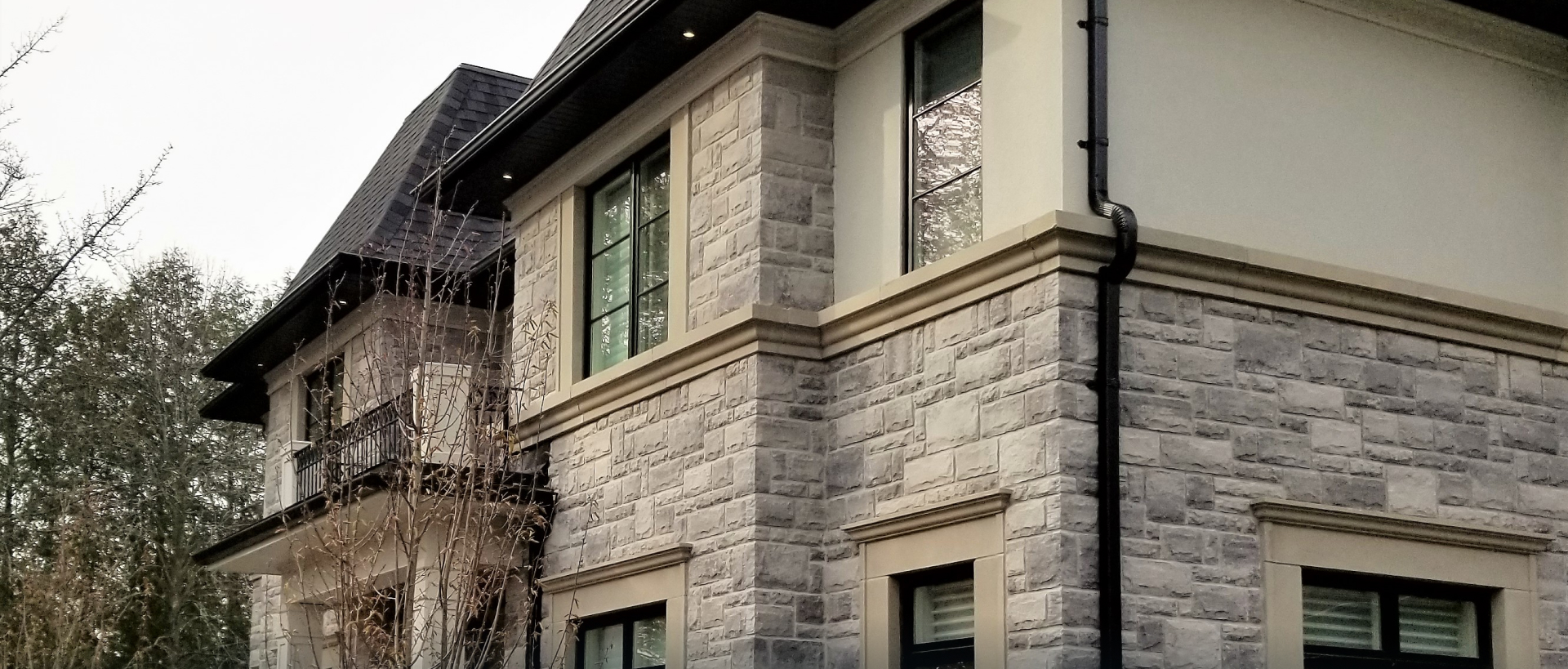
What’s the Difference Between a Home Extension and Home Addition?
When homeowners decide to upgrade their living space, they often encounter two terms that are frequently used interchangeably: home extension and home addition. Although both solutions aim to increase the usable area of your home, understanding the key differences between a home extension and a home addition is critical for making the right choice for your needs.
In this blog post, we will dive deep into what these two terms mean, explore their unique characteristics, and provide insights into which option is best suited for your home improvement project. Whether you’re considering a house extension or house addition, this guide will help you make an informed decision based on your goals, budget, and property type.
What Is a Home Extension?
A home extension refers to the process of expanding your home by adding new space to the existing structure. This typically involves modifying the exterior of your home, often by extending walls, building upwards, or adding new rooms, which are physically connected to the main structure of the house. A home extension can transform a small living area into something more spacious and functional.
Types of Home Extensions
- Single-Storey Extensions: These are added to the side, rear, or front of the house, extending the ground floor space.
- Double-Storey Extensions: These involve adding both a ground floor and a second story, maximizing vertical space.
- Basement Extensions: This involves extending the home’s footprint by converting or expanding the basement.
Benefits of a Home Extension
- Increased Living Space: The most obvious benefit is the addition of space, whether it’s for an extra bedroom, a larger kitchen, or a home office.
- Higher Property Value: Extending your home often increases its market value, making it a valuable investment.
- Cost-Effective: Compared to moving to a larger home, a home extension can be a more affordable solution to increasing your living space.
What Is a Home Addition?
A home addition, on the other hand, refers to the construction of a completely new structure that is attached to your existing home but is not necessarily connected to the existing rooms. A house addition can involve the creation of a completely separate area, such as a new wing, a guest suite, or an entirely new living unit.
Types of Home Additions
- Detached Additions: This involves constructing a new building entirely separate from the original structure but still on the same property (e.g., a standalone guest house or garage).
- Attached Additions: These are areas that are physically connected to your home, such as a new living room, bedroom, or even a sunroom.
Benefits of a Home Addition
- Flexible Layouts: Since a home addition allows you to create an entirely new space, it offers more design freedom compared to extensions.
- Increased Privacy: If your addition is separate from your home, it can provide more privacy and a dedicated space for guests or rental purposes.
- Diverse Functionality: You can customize the space to serve multiple purposes, such as a separate apartment, office, or recreational room.
Key Differences Between a Home Extension and a Home Addition
Now that we’ve defined both house extension and house addition, let’s break down the primary differences between these two options.
| Aspect | Home Extension | Home Addition |
| Connection to Existing Structure | Integrated into the existing structure | Can be separate or connected |
| Design Flexibility | Limited by the current structure | Greater flexibility, allows entirely new layouts |
| Space Type | Typically adds more living or storage space within the home | Can create an entirely new, distinct space |
| Cost | Generally more affordable | May be more expensive due to new construction |
| Privacy | Less privacy, as the new space is part of the original house | More privacy if detached |
| Building Permits | Fewer permits required | More permits may be needed, especially for detached units |
When Should You Choose a Home Extension?
Choosing a home extension is an excellent option when you want to expand your current living space but keep the expansion seamlessly integrated with the existing layout. Here are scenarios where a home extension might be the best choice:
- Budget Constraints: Home extensions are usually more affordable than house additions, as they involve adding space without starting from scratch.
- Urban Locations: If you live in a densely populated area like Toronto, where space is limited, a home extension can help you make the most of your property without the need to acquire additional land.
- Maximizing Property Value: Extensions can significantly boost the resale value of your home, particularly if you add extra bedrooms, living spaces, or storage areas.
Example: A Growing Family
For a family in Toronto whose children are growing older and need more space, a single-storey extension might be the perfect solution to expand the living room or add a playroom. This allows the family to stay in their home while enjoying the benefits of added space.
When Should You Choose a Home Addition?
A home addition is a better option if you need a completely separate area or want to create an entirely new living space. Here are some scenarios where home additions are the right choice:
- Need for Separate Living Spaces: If you want to create a separate rental unit, guest suite, or home office, a house addition will give you more flexibility.
- Expanding for Specific Functions: A house addition allows you to create dedicated spaces like an art studio, gym, or library without compromising the rest of your home.
- Desire for More Privacy: If you’re looking to build a guest house or a completely independent area on your property, a home addition will provide more privacy and autonomy.
Example: A Home Office or Rental Unit
Suppose you’re working remotely and need a dedicated office space, or you want to build a separate rental unit for additional income. A home addition could be the perfect solution, giving you more space and independence for these purposes.
Cost Comparison: Home Extension vs. Home Addition
The cost of a home extension or home addition can vary significantly depending on factors like the size of the project, materials used, labor costs, and the complexity of the design. On average, house extensions tend to be less expensive than home additions, as they build upon the existing structure, whereas additions often require more groundwork and the construction of entirely new space.
To help guide your decision, here’s a rough cost breakdown:
- Home Extension: Typically costs between $150 – $300 per square foot.
- Home Addition: Typically costs between $200 – $400 per square foot.
Example of Costs in Toronto:
If you’re in Toronto, the costs can vary even more based on local zoning laws, building permits, and the overall demand for construction services. Home extensions will generally offer a more cost-effective option, especially in older neighborhoods where space is at a premium.
How to Plan for a Home Extension or Addition
Planning is the most crucial aspect of any home extension or house addition project. Here are the essential steps to follow:
- Consult an Architect: Both home extensions and additions require professional design input. Consult an architect or designer to ensure your vision aligns with your home’s structural integrity.
- Budget Wisely: Factor in the cost of materials, labor, permits, and any unforeseen expenses.
- Obtain Permits: Depending on your location in Toronto, you’ll likely need permits for either a home extension or home addition. Make sure to check with your local municipality.
- Hire Experienced Contractors: Ensure you hire licensed and experienced contractors to handle your project, ensuring the work is done safely and to code.
FAQs: Home Extension vs. Home Addition
- What is the difference between a home extension and a home addition?
A home extension expands the existing structure by adding new space, while a home addition creates a new, separate space that may or may not be connected to the main home. - Which is more expensive: a home extension or a home addition?
Generally, home additions tend to be more expensive due to the construction of new space, whereas house extensions are typically more cost-effective. - Can I turn a home extension into a rental unit?
Yes, you can design a home extension to function as a rental unit, though it may require additional modifications and permits.
Conclusion: Which Is Right for Your Home?
Choosing between a home extension and a home addition ultimately depends on your specific needs, budget, and vision for your home. If you’re looking for a more cost-effective way to increase your living space and remain within the current structure, a home extension is the ideal choice. However, if you need a completely separate area or want more design flexibility, a home addition may be the better option.
Before moving forward, always consult with a professional contractor or architect to ensure your project fits within your vision and budget. Investing in either option can significantly improve your living space and home’s value so make the decision that best suits your long-term goals.