Creating an Art Gallery Wall in Your Custom Home: Design Tips & Ideas
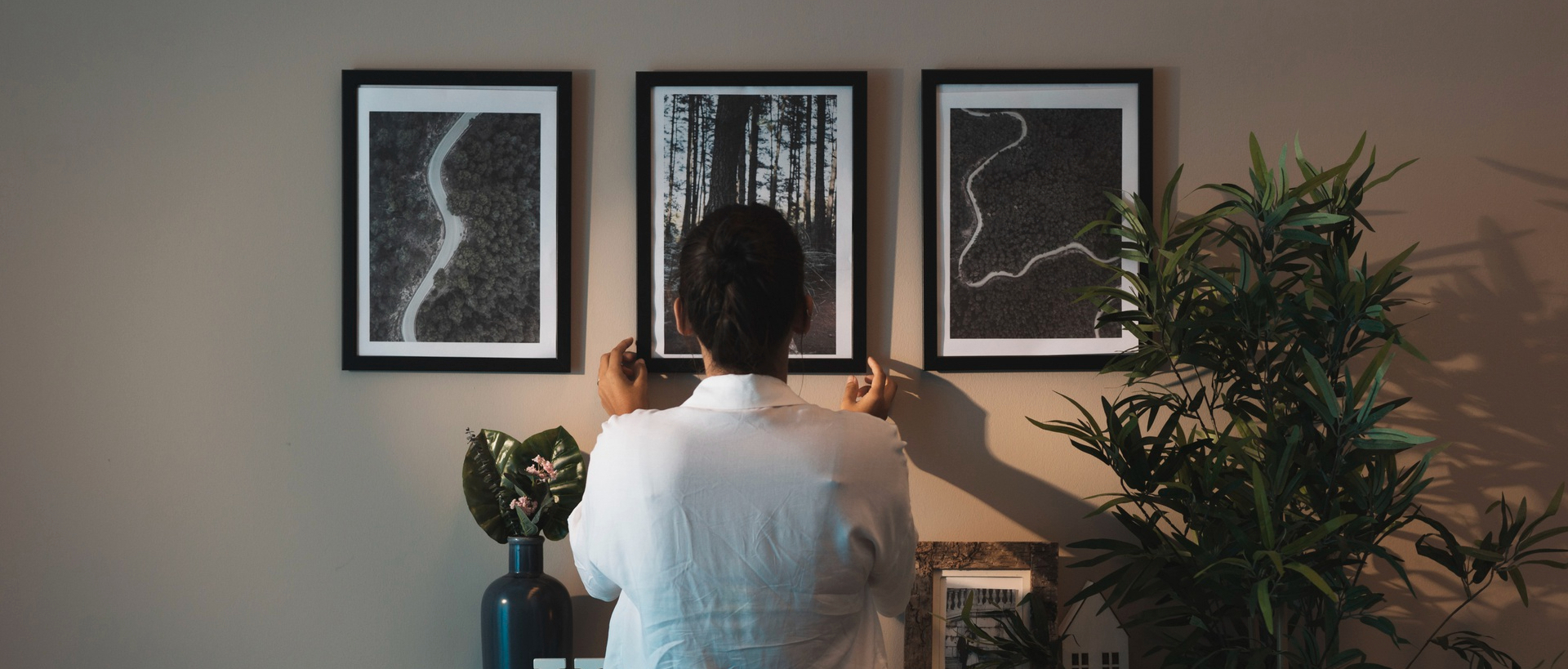
Creating an Art Gallery Wall in Your Custom Home
A custom home should feel like more than a beautiful structure. It should feel like your story. That is where an art gallery wall comes in. Whether you are building a luxury custom home in Canada, designing a modern family home in the USA, or renovating a space to feel more personal, a well-planned gallery wall can turn an empty surface into one of the most meaningful features in your home.
The key is intention. A great gallery wall is not just a collection of frames. It is a curated design element that works with your architecture, lighting, furniture, and lifestyle.
Why an Art Gallery Wall Belongs in a Custom Home
One of the biggest advantages of building a custom home is personalization. You are not limited to standard layouts, builder-grade finishes, or generic design choices.
An art gallery wall allows you to showcase:
- Family photography
- Original artwork
- Travel memories
- Local artists
- Vintage prints
- Children’s art
- Heirlooms and meaningful objects
It also creates a strong focal point without major renovations. A blank hallway, staircase, living room wall, or entryway can instantly feel more complete with the right gallery wall layout.
For homeowners working with a custom home builder or interior designer, this feature can even be planned early in the design process. That means better lighting, proper wall spacing, stronger installation support, and a more polished final result.
Read more about the Benefits of building Custom Home a complete guide.
Best Places to Create a Gallery Wall
Not every wall is the right wall. The best location depends on visibility, scale, lighting, and how people move through the home.
Entryway Gallery Wall
Your entryway sets the tone for the entire home. A gallery wall here can create a warm first impression using family portraits, landscape prints, or statement artwork.
Living Room Gallery Wall
A living room gallery wall works beautifully above a sofa, beside a fireplace, or on a large feature wall. This is the perfect place to mix personal pieces with professional artwork.
Staircase Gallery Wall
A staircase gallery wall is ideal for storytelling. Because the wall follows movement, it can feel like a visual journey through family memories, travel, and milestones.
Hallway Gallery Wall
Hallways are often overlooked, but they are perfect for black-and-white photography, travel images, or a clean linear gallery wall.
Home Office or Dining Room Gallery Wall
These rooms are great for more curated, conversation-starting pieces. Think original art, architectural sketches, or bold prints that reflect your personality.
Read more about top interior design trends for luxury homes in 2026.
Start With a Story, Not Just a Style
Before choosing frames or measuring the wall, ask one question: What do I want this wall to say? A gallery wall in a custom home should feel meaningful, not random.
You might choose a theme such as:
- Family legacy
- Travel and adventure
- Modern abstract art
- Local Canadian or American artists
- Nature and landscapes
- Children’s artwork
- Vintage maps or historic prints
Once you have a theme, choose a mood. Do you want the wall to feel warm and traditional? Clean and modern? Bold and artistic? Calm and minimal? Then look at your home’s existing palette. Pull colors from your flooring, cabinetry, furniture, rugs, or accent walls. This helps the gallery wall feel connected to the rest of the home.
Choose the Right Gallery Wall Layout
Your layout determines whether the wall feels polished or chaotic.
Grid Layout
A grid layout uses matching frames and even spacing. It works well in modern, transitional, and minimalist custom homes.
Salon-Style Layout
This layout mixes sizes, frames, and artwork types. It feels collected, creative, and personal.
Linear Layout
A linear gallery wall is best for hallways, dining rooms, and long corridors. It creates structure and elegance.
Anchor Piece Layout
Start with one large piece, then build smaller frames around it. This works well in living rooms and open-concept spaces.
Staircase Layout
For staircases, follow the angle of the stairs while keeping spacing consistent. Paper templates are especially useful here.
Get the Scale, Spacing, and Height Right
This is where many homeowners make mistakes.
As a general rule, the center of your gallery wall arrangement should sit around eye level. Many designers use approximately 57 inches from the floor to the center of the artwork or grouping. However, you may need to adjust for high ceilings, furniture, fireplaces, or staircases.
For spacing, keep frames about 3 to 6 inches apart. Smaller frames usually look better closer together, while larger pieces need more breathing room.
Also, think of the gallery wall as one large composition. It should relate to nearby furniture. For example, above a sofa, the gallery wall should usually be narrower than the sofa and visually centered.
Select Frames That Match Your Custom Home
Frames can make or break your gallery wall. In a custom home, framing should feel intentional. White oak frames work well in warm modern homes. Black frames suit contemporary spaces. Brass or gold frames can elevate traditional interiors. Walnut adds richness and warmth.
Use matting when you want smaller pieces to feel more substantial. A wide mat can instantly make a simple photo look refined.
For valuable or sentimental pieces, consider archival-quality materials, UV-protective glass, and acid-free mats. This is especially important for family heirlooms, original artwork, and pieces exposed to natural light.
Do Not Ignore Lighting
Lighting is one of the biggest differences between a basic gallery wall and a designer-level gallery wall. Avoid placing valuable artwork in direct sunlight. Over time, UV exposure can fade prints, photographs, and textiles.
In a custom home, you can plan lighting in advance. Consider picture lights, recessed wall washers, or adjustable spotlights. Warm, low-glare lighting usually works best because it highlights the artwork without creating harsh reflections.
For luxury homes, smart lighting scenes can make the wall look beautiful during the day and dramatic at night.
Read more about the luxury home automation for the GTA homeowners.
How to Create Your Gallery Wall Step by Step
First, measure the wall. Note outlets, switches, windows, trim, furniture, and ceiling height. Next, gather all your artwork and lay it on the floor. Choose your largest or most meaningful piece as the anchor.
Then, create paper templates for each frame. Tape them to the wall and adjust the layout before making holes. This simple step can save time, frustration, and wall damage.
Once you are happy with the arrangement, hang the largest piece first and build outward. Use proper hardware based on your wall type. Drywall, plaster, brick, and masonry all require different installation methods.
For large, heavy, valuable, or staircase gallery walls, professional installation is worth it.
Common Gallery Wall Mistakes to Avoid
Do not hang artwork too high. Do not use frames that clash with the rest of your home. Do not overcrowd the wall with too many small pieces. And most importantly, do not choose art only because it matches.
The best gallery walls feel collected, personal, and intentional.
FAQ: Creating an Art Gallery Wall in Your Custom Home
What is the best wall for a gallery wall?
Entryways, living rooms, staircases, hallways, dining rooms, and home offices are all excellent options. The best wall has enough space, good visibility, and proper lighting.
Should all gallery wall frames match?
They can, but they do not have to. Matching frames create a clean look. Mixed frames feel more personal. The key is repeating at least one element, such as color, material, or matting.
How many pieces should be in a gallery wall?
There is no fixed number. A small wall may need 3 to 5 pieces, while a large staircase or living room wall may need 9 to 15 or more.
Can I create a gallery wall around a TV?
Yes. Use frames that complement the TV size and keep enough spacing so the wall feels balanced, not cluttered.
Should I plan a gallery wall before building my custom home?
Yes. Planning early allows your builder or designer to account for lighting, wall blocking, furniture placement, and electrical needs.
Final Thoughts
Creating an art gallery wall in your custom home is one of the most effective ways to make your space feel personal, refined, and complete.
When you choose meaningful artwork, plan the right layout, invest in quality framing, and use thoughtful lighting, your gallery wall becomes more than decoration. It becomes a reflection of your life.
Ready to design a custom home that feels personal from the very first step? Contact our team today to start planning a home built around your style, your story, and the way you truly live.