Top 7 Mistakes to Avoid When Building a Custom Home in the GTA
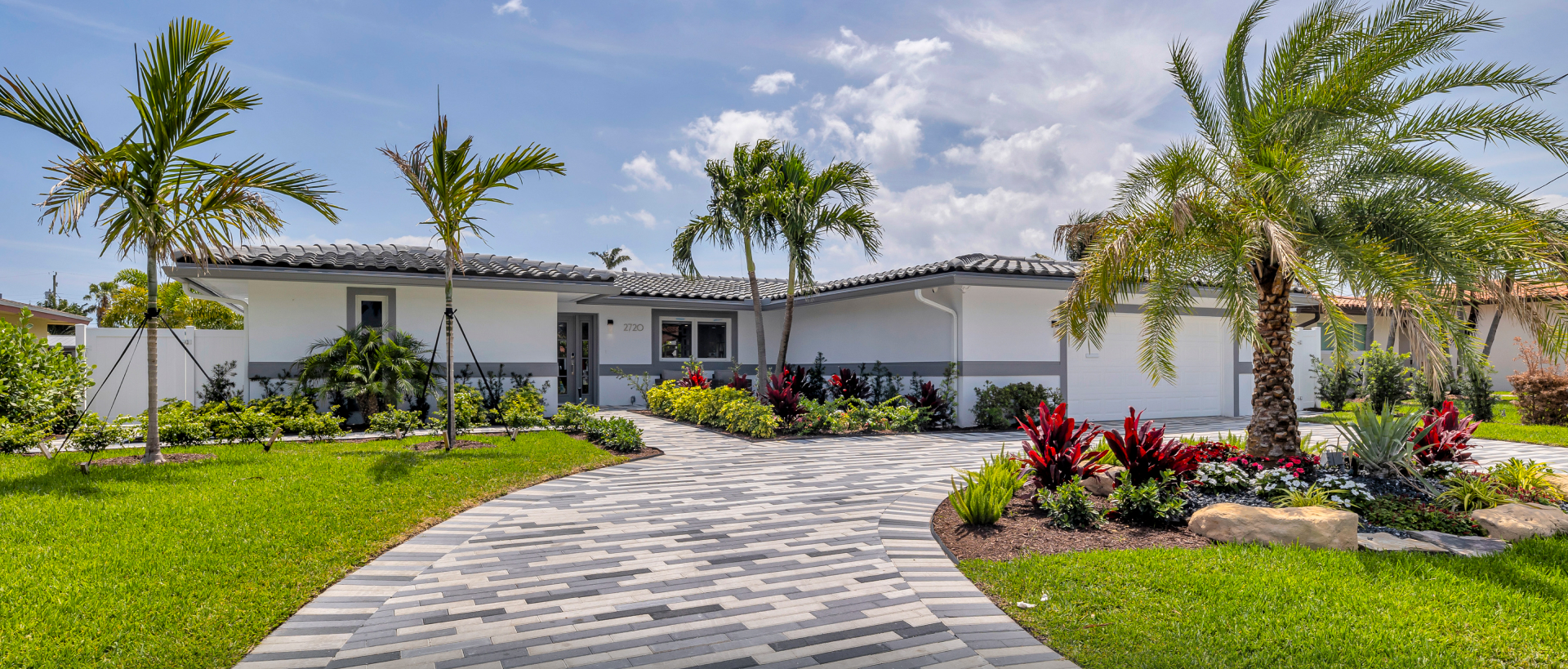
Top 7 Mistakes to Avoid When Building a Custom Home in the GTA
Building a custom home in the Greater Toronto Area (GTA) is an exciting yet complex endeavor. Whether you’re a first-time homebuilder or a seasoned pro, the process requires careful planning, a clear vision, and significant attention to detail. However, even the most well-prepared homeowners can make mistakes during construction, which can lead to costly setbacks and delays.
In this blog post, we’ll explore the top 7 mistakes to avoid when building a custom home in the GTA. By understanding these common errors and how to avoid them, you can ensure that your dream home becomes a reality, on time and within budget.
1. Failing to Set a Realistic Budget
One of the biggest mistakes when building a custom home is failing to set a realistic budget from the start. It’s easy to get carried away with dream features and luxurious finishes, but without a clear budget, you might find yourself overspending on unexpected costs during construction.
Why a Realistic Budget Is Crucial:
- Unforeseen Costs: Building a custom home often involves hidden costs, such as land preparation, foundation issues, or changes in material prices.
- Change Orders: Throughout the construction process, you might decide to make changes to the design or materials. These changes can significantly impact the final price.
- Contingency Fund: It’s essential to factor in a contingency fund of 10-15% of the total construction cost to handle any unforeseen expenses.
Tip: Work closely with your contractor and financial advisor to create a comprehensive, realistic budget. Don’t forget to include a buffer for unexpected costs, and keep track of every expense to ensure you stay within your financial limits.
2. Not Doing Enough Research on Builders and Contractors
Choosing the right builder and contractors is one of the most important decisions you’ll make during the custom home construction process. Building construction mistakes can often stem from hiring the wrong professionals who lack experience, fail to meet deadlines, or do not understand your vision.
How to Avoid This Mistake:
- Check References and Portfolios: Always ask for references and examples of previous projects. A reputable builder should have a portfolio of completed custom homes that reflect their quality of work.
- Review Qualifications: Ensure the builder and contractors are licensed, insured, and have the necessary certifications.
- Get Multiple Bids: It’s important to get bids from at least three different builders. This not only helps you get a competitive price but also allows you to assess their communication style and approach to your project.
Case Study: A homeowner in Toronto hired an experienced contractor who didn’t communicate well throughout the project. This led to delays, subpar workmanship, and a final product that didn’t meet the homeowner’s expectations. After firing the contractor, the homeowner had to hire a new team, costing additional time and money.
3. Overlooking the Importance of Location
In the GTA, location plays a crucial role in the success of your custom home project. While it might seem obvious, many homeowners make the mistake of not fully considering factors like the neighborhood, zoning laws, and long-term property value.
Why Location Matters:
- Zoning and Permits: Different areas in Toronto have varying zoning regulations, which can impact your home’s design and construction timeline. Failing to research these can lead to expensive delays or even having to alter your plans.
- Future Value: Consider how the neighborhood will evolve. Will the area be a high-demand location in the future? Will infrastructure developments increase your property’s value?
- Access to Amenities: Proximity to schools, shops, public transit, and parks is an important consideration, especially if you plan to live in the home for years to come.
Tip: Conduct thorough research into the neighborhood and consult with local experts to understand the pros and cons of the location before purchasing land or beginning construction.
4. Ignoring Local Building Codes and Permits
A major mistake when building a custom home is neglecting to fully understand and adhere to local building codes and permits. Failing to obtain the necessary permits or adhering to building codes can result in fines, delays, or even having to redo parts of the construction.
Key Considerations:
- Building Codes: The City of Toronto and surrounding GTA municipalities have specific building codes that must be followed. These regulations cover everything from structural requirements to energy efficiency.
- Permits: Ensure you have all the necessary permits before starting construction. This includes building permits, electrical permits, plumbing permits, and any other relevant approvals.
Tip: Hire an architect or designer who is familiar with local building codes and work with your contractor to ensure all permits are in place before construction begins.
5. Neglecting to Plan for Future Needs
When designing your custom home, it’s easy to focus on your current lifestyle and needs. However, failing to plan for future changes can result in a home that doesn’t accommodate your evolving requirements. Whether it’s adding family members, aging in place, or preparing for potential mobility challenges, thinking ahead is crucial.
How to Plan for Future Needs:
- Flexible Spaces: Design spaces that can evolve over time. For example, a spare bedroom could easily convert into a home office or gym.
- Aging in Place: Consider future accessibility needs, such as wider doorways, no-step entries, or elevators.
- Expandable Design: Choose a design that allows for easy expansions or modifications in the future.
Tip: When working with your architect or designer, discuss long-term goals and make sure the design allows for flexibility in the future.
6. Underestimating the Impact of Design Choices
The design choices you make when building your custom home can significantly impact both the functionality and aesthetics of the space. Many homeowners make the mistake of focusing too much on aesthetics and not enough on functionality, or vice versa.
Key Design Mistakes to Avoid:
- Ignoring Functionality: While your home should look beautiful, it should also be practical. Consider your daily activities and lifestyle when designing spaces like the kitchen, bathrooms, and storage areas.
- Overloading on Trends: Trendy designs may look appealing today, but they might quickly become outdated. Focus on timeless design elements that will stand the test of time.
- Neglecting Natural Light: Natural light is essential for creating a healthy and vibrant living space. Make sure to incorporate enough windows and consider the orientation of your home to maximize natural light.
Tip: Work closely with an experienced designer who understands your style but also takes into account the functionality and long-term appeal of the design.
7. Lack of Communication and Project Management
Communication and effective project management are crucial when building a custom home. Building construction mistakes often occur when there is a lack of clarity between homeowners, contractors, and subcontractors.
Why Communication Is Key:
- Avoid Misunderstandings: Regular updates and open communication ensure that everyone involved in the project is on the same page.
- Timely Decisions: Homeowners need to make decisions quickly to avoid delays. A lack of clear communication can lead to decisions being put off, which can slow down the project.
- Managing Expectations: Setting clear expectations at the beginning of the project will help prevent frustration and dissatisfaction as the process unfolds.
Tip: Maintain consistent communication with your contractor and project manager. Have regular meetings to review progress, discuss any issues, and make necessary decisions.
FAQs: Mistakes When Building a Custom Home
- What are the most common mistakes when building a custom home?
Common mistakes include failing to set a realistic budget, not researching contractors properly, overlooking local building codes, neglecting future needs, and making poor design choices. - How can I avoid going over budget when building a custom home?
Set a realistic budget at the beginning, factor in a contingency fund, and avoid making too many changes during construction. Keep track of all expenses and work closely with your contractor to stay within your financial limits. - How long does it take to build a custom home in the GTA?
The timeline for building a custom home in the GTA typically ranges from 12 to 18 months, depending on the complexity of the project and how quickly decisions are made.
Conclusion: How to Avoid Common Mistakes and Build Your Dream Home
Building a custom home in the GTA can be an exciting and rewarding experience, but it requires careful planning, attention to detail, and clear communication. By avoiding these top 7 mistakes, you can ensure a smoother process, stay within your budget, and ultimately create the home of your dreams.
Start by setting a realistic budget, choosing the right professionals, and planning for the future. If you’re unsure about the best steps to take, don’t hesitate to seek advice from industry experts who can guide you through the process.
Are you ready to begin your custom home journey? Contact us today to get started and avoid common pitfalls along the way!