Modern Luxury Homes: 2026 Architectural Styles in Ontario
Modern Luxury Homes: 2026 Architectural Styles in Ontario
Ontario, one of Canada’s most vibrant provinces, is experiencing a shift in its luxury real estate market. As we look ahead to 2026, a new wave of architectural styles is emerging, transforming the landscape of Ontario’s luxury homes. The trends reflect a blend of sustainability, innovation, and timeless elegance, all crafted to meet the evolving tastes and lifestyles of affluent homeowners.
Luxury homes are no longer defined solely by their square footage or extravagant amenities. Today, architectural style plays a pivotal role in how a home is perceived and experienced. Whether its sleek modern designs that cater to tech-savvy individuals or traditional aesthetics that evoke history and prestige, these architectural trends are setting the stage for what Ontario’s luxury homes will look like in 2026.
In this post, we will explore the seven architectural styles that are defining Ontario’s luxury homes in 2026. From sleek and contemporary to classic and rustic, these design trends are helping shape the future of high-end living.
Why Architectural Styles Matter in Luxury Homes
When it comes to luxury homes, architectural style plays a crucial role in defining the character and allure of the property. While luxury is often associated with premium materials and spacious layouts, the design and style of the home have a direct impact on its functionality, aesthetic appeal, and value.
In Ontario, where diverse landscapes and cultural influences converge, homeowners are increasingly choosing architectural styles that reflect their unique personalities and lifestyles. The right architectural design not only enhances the visual appeal of a home but also ensures it is in harmony with its surroundings.
As we head toward 2026, a focus on sustainability, comfort, and innovation has led to the emergence of several distinct architectural styles. These styles not only capture the spirit of contemporary design but also offer practical solutions for modern living.
“A truly high-end residence is defined by its seamless integration of technology; read more about the home automation features that define a luxurious home and how they elevate daily living.
7 Key Architectural Styles Defining Luxury Homes in Ontario in 2026
1. Modern Minimalism
Modern minimalism is a style that emphasizes simplicity, clean lines, and an uncluttered environment. In 2026, this style is dominating Ontario’s luxury home market, particularly among those looking for a sleek and functional aesthetic. Homes built in this style often feature open-concept layouts, monochromatic color schemes, and large windows that allow natural light to flood the interior.
The focus of modern minimalist homes is on functional design—every element serves a purpose. Instead of ornate decorations, the emphasis is placed on the materials themselves, such as concrete, glass, and steel, creating a space that feels both spacious and serene.
Pro Tip: Incorporating smart home technology into minimalist designs allows for seamless integration with the clean lines and modern features that define this style.
When designing high-end spaces, it is essential to read more about the best flooring options for luxury homes that suit your specific aesthetic and lifestyle
2. Neo-Classical Revival
The neo-classical revival style is making a strong comeback in Ontario’s luxury home market, especially among homeowners who value grandeur and timeless elegance. Inspired by the classical architecture of ancient Greece and Rome, this style is characterized by symmetry, columned facades, and ornate detailing.
For luxury homes in 2026, neo-classical revival combines traditional elements with modern touches. Expect to see grand entryways, high ceilings, and luxurious marble finishes that create a sense of sophistication and prestige. The neo-classical style offers the perfect blend of historical grandeur with contemporary amenities.
Example: The Queen’s Park Residences in Toronto showcase neo-classical elements, blending classical columns with modern lighting fixtures, creating a balance of old and new.
3. Transitional Design
Transitional design is an architectural style that combines elements of both traditional and modern designs. This hybrid approach is particularly popular in luxury homes where homeowners want to create a space that feels timeless yet up-to-date. Transitional homes often feature classic shapes and proportions with contemporary materials and neutral color palettes.
In Ontario’s luxury homes, transitional design might incorporate traditional brick facades paired with modern steel windows or custom wooden cabinetry alongside sleek, high-tech appliances. This style is perfect for those who appreciate the charm of traditional designs but also desire a home that reflects modern conveniences.
Pro Tip: To achieve the perfect balance in a transitional design, mix natural materials like wood and stone with clean lines and modern finishes.
4. Contemporary Craftsman
The contemporary craftsman style is a modern take on the traditional Craftsman style, which originated in the early 20th century. Known for its attention to detail and handcrafted aesthetics, this style emphasizes natural materials, open floor plans, and functionality.
In 2026, contemporary craftsman homes are being updated with modern twists, such as sleek kitchen designs, open shelving, and high-end finishes like quartz countertops and custom lighting. The result is a comfortable, inviting space that combines rustic charm with sophisticated touches.
Example: In suburban Ontario, homes in the Lakeview Estates neighborhood showcase contemporary craftsman style with wooden beams, stone fireplaces, and wide front porches that promote a welcoming atmosphere.
Creating a high-end aesthetic requires more than just premium furniture; you should explore these top interior design tips for luxurious homes to ensure every element of your space feels cohesive and grand
5. Industrial Chic
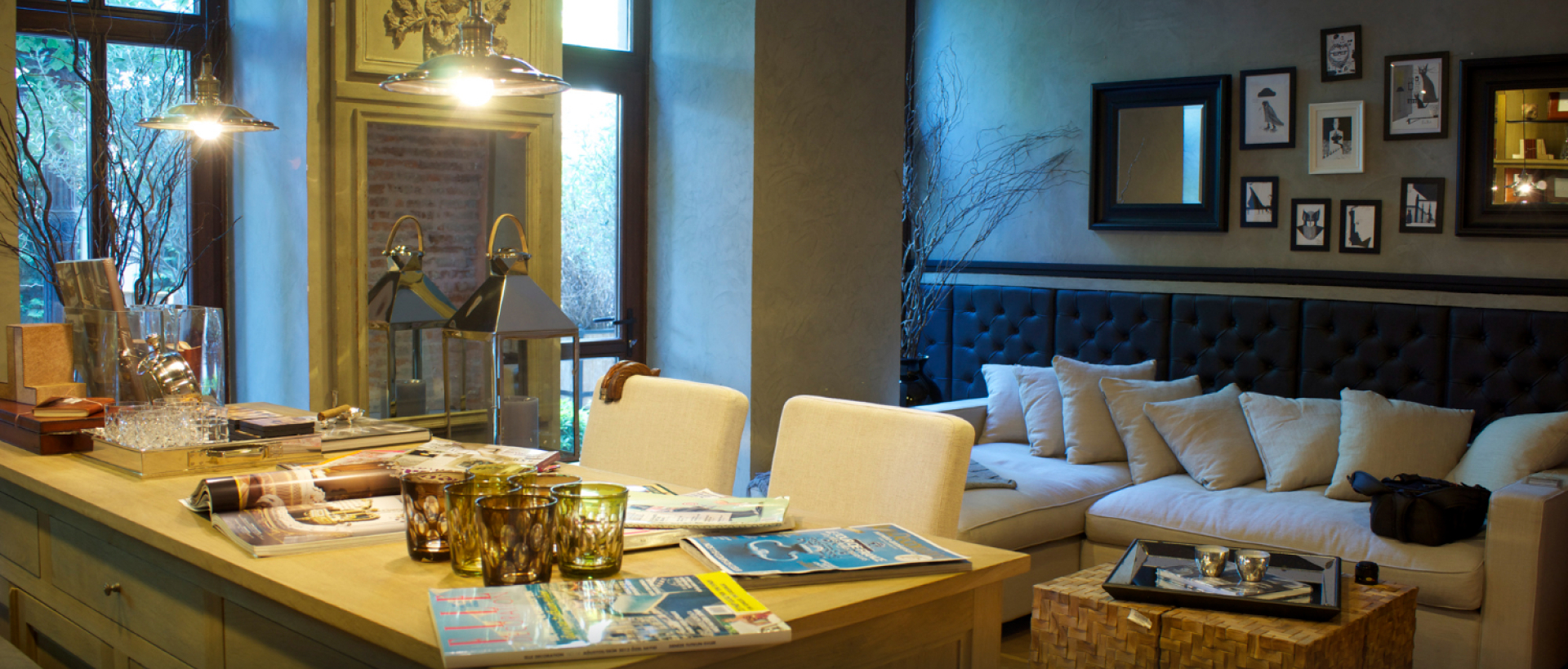
Industrial chic is a style that takes inspiration from old factories and warehouses, blending raw, unfinished materials with high-end design elements. In luxury homes, this style is often characterized by exposed brick walls, steel beams, and open ceilings.
For 2026, industrial chic is evolving to incorporate modern fixtures, energy-efficient appliances, and luxurious textures like velvet or leather. The blend of raw materials with luxurious finishes makes this style particularly appealing to those looking for a home that feels both edgy and comfortable.
Pro Tip: Pair reclaimed wood with polished concrete floors and modern lighting fixtures to capture the essence of industrial chic in your home.
6. Art Deco Revival
The art deco revival style is making a comeback in Ontario’s luxury homes, with its bold geometric shapes, rich materials, and luxurious finishes. This style, which originated in the early 20th century, is known for its sharp lines, symmetry, and the use of high-end materials like chrome, marble, and glass.
In modern luxury homes, art deco is often paired with contemporary design elements to create a stunning juxtaposition. Expect to see mirrored finishes, bold patterns, and opulent touches like gold accents and statement lighting fixtures.
7. Sustainable and Eco-Friendly Architecture
Sustainability is a key focus in the luxury home market, and eco-friendly architecture is at the forefront of design trends in Ontario in 2026. Luxury homes are now being built with environmentally conscious materials and energy-efficient systems, such as solar panels, green roofs, and high-performance insulation.
Eco-friendly designs don’t sacrifice style for function. Sustainable homes can feature natural stone walls, wood paneling, and large glass windows that allow for maximum natural light and energy efficiency. This style is perfect for homeowners who are committed to reducing their environmental impact without compromising luxury.
Pro Tip: Incorporate rainwater harvesting systems and energy-efficient appliances to further enhance your eco-friendly luxury home.
How to Choose the Right Architectural Style for Your Luxury Home
Choosing the right architectural style for your luxury home is a highly personal decision. Consider your lifestyle, preferences, and the surrounding environment. Here are a few things to keep in mind:
- Personal Taste: Your home should reflect your personal style. Do you prefer clean lines and modern aesthetics, or are you drawn to classic, timeless designs?
- Location: Consider how the architectural style will complement the surroundings. For example, an industrial chic home may suit an urban setting, while a craftsman-style home is perfect for a more suburban or rural location.
- Functionality: Think about how the design will fit your daily life. Do you entertain often? Are you looking for a home that is family-friendly?
Frequently Asked Questions (FAQs)
- What is the best architectural style for a luxury home in Ontario?
The best architectural style depends on your personal preferences and the location of your home. Popular styles in Ontario include modern minimalism, neo-classical revival, and sustainable designs.
- Can I combine different architectural styles in my home?
Yes, many homeowners blend different architectural styles, such as combining transitional design with modern minimalist elements, to create a unique and personalized look.
- Are eco-friendly luxury homes more expensive?
While eco-friendly luxury homes may have a higher upfront cost due to sustainable materials and technology, they offer long-term savings through energy efficiency and lower maintenance costs.
Conclusion: Embrace the Future of Luxury Living
Ontario’s luxury homes in 2026 will be defined by a dynamic range of architectural styles that blend beauty, function, and sustainability. Whether you choose modern minimalism or neo-classical revival, the right architectural style can transform your home into a sanctuary that reflects your personality and lifestyle.
Ready to design your dream luxury home? Consult with an expert architect or designer to bring your vision to life and stay ahead of the curve with the latest architectural trends.
If you’re ready to build or renovate your luxury home in Ontario, contact us today for a consultation. Let us help you create a timeless and sustainable masterpiece.