Ideas of Custom-Built Stairs and Railings for Custom-Built Homes
Ideas of Custom-Built Stairs and Railings for Custom-Built Homes
When building a custom home, most homeowners focus on the kitchen, exterior, primary suite, or open-concept living area. But one feature often shapes the entire home: the staircase.
Custom-built stairs and railings do more than connect floors. They influence safety, traffic flow, natural light, architectural style, and long-term value. A well-designed staircase can become a focal point, while a poorly planned one can make even a beautiful home feel unfinished.
For custom homes in Canada, stairs and railings should be planned early with your architect, builder, designer, and railing pro. The goal is simple: create a staircase that is durable, safe, code-conscious, and aligned with the rest of the home.
What Are Custom-Built Stairs and Railings?
Custom-built stairs are designed for your home’s layout, ceiling height, style, and structural needs. Unlike builder-grade stairs, custom stairs can include premium wood, unique dimensions, open risers, floating designs, curved layouts, integrated lighting, and handcrafted finishes.
Custom railings provide safety and define the look. Wood, glass, steel, aluminum, cable, and mixed-material railings can each create a different design effect.
Learn more about top mistakes to avoid while doing a custom home building.
1. Match the Staircase to the Home’s Architecture
A custom staircase should feel like it belongs in the home.
- For a modern custom home, floating wood treads, glass railings, and steel stringers create a clean, open look.
- For a traditional home, stained wood handrails and classic balusters may work better.
- For a transitional home, oak treads with matte black metal balusters offer a balanced, timeless style.
Decide during the design phase, not after framing. Stair placement affects traffic flow, room layout, ceiling openings, lighting, and structure.
2. Choose the Right Staircase Type
Straight stairs are simple, efficient, and budget-friendly. L-shaped and U-shaped stairs add landings, privacy, and visual interest. Floating stairs feel light and architectural, but require careful engineering. Curved stairs create a luxury focal point, especially in large foyers. Spiral stairs save space, but must be planned for comfort and local code compliance.
3. Select Materials That Balance Style and Durability
Material selection affects appearance, maintenance, safety, and cost.
Wood stairs, such as oak, maple, walnut, or ash, add warmth and timeless appeal. Metal railings offer strength and versatility. Glass railings preserve views, natural light, and openness. Cable railings create a clean, contemporary look.
Mixed materials are especially popular. White oak treads, black metal balusters, and a wood handrail can feel warm, current, and long-lasting. Glass with steel can create a high-end modern finish.
Learn more about the role of technology in this modern era to enhance design and efficiency.
4. Turn the Staircase Into a Design Feature
In a custom-built home, stairs should never feel like an afterthought. Treat them like architectural furniture.
Design upgrades may include wide treads, custom newel posts, open risers, curved handrails, decorative metalwork, sculptural stringers, LED step lights, under-stair storage, or a feature wall.
For example, a lakefront custom home may use glass railings to protect the view while white oak stairs add warmth. A city home may use matte black railings against light floors.
5. Prioritize Safety and Code Compliance
Beautiful stairs still need to be safe. Stair and railing codes vary by province, state, city, and municipality, but often cover stair width, tread depth, riser height, handrail height, guard height, baluster spacing, landings, handrails, and glass guard requirements.
That is why homeowners should work with experienced stair builders and railing installers. A design that looks great online may not pass inspection locally.
Before approving your staircase, ask whether the design meets local code, handrails are graspable, glass systems are engineered correctly, and shop drawings will be reviewed.
This article is general guidance only. Always confirm requirements with your local building department or licensed contractor.
6. Plan Around Light, Space, and Sightlines
Railings can change how large or open a home feels. Heavy wood railings can suit traditional homes, but they may close off smaller spaces. Glass railings, slim metal balusters, and cable systems can make stairwells feel brighter and more open.
If your staircase is near windows, an entryway, or an open-concept living room, choose a railing that supports natural light.
Read more about the benefits of building a custom home.
7. Add Lighting Early
Stair lighting improves safety and adds a premium feel. Consider LED tread lights, wall sconces, under-handrail lighting, pendant lights, recessed stairwell lighting, or motion-activated step lights.
Lighting should be planned before electrical rough-in, not after drywall. This avoids costly changes and creates a cleaner result.
Internal link: Interior design services or custom home lighting.
8. Avoid Trends That Date Quickly
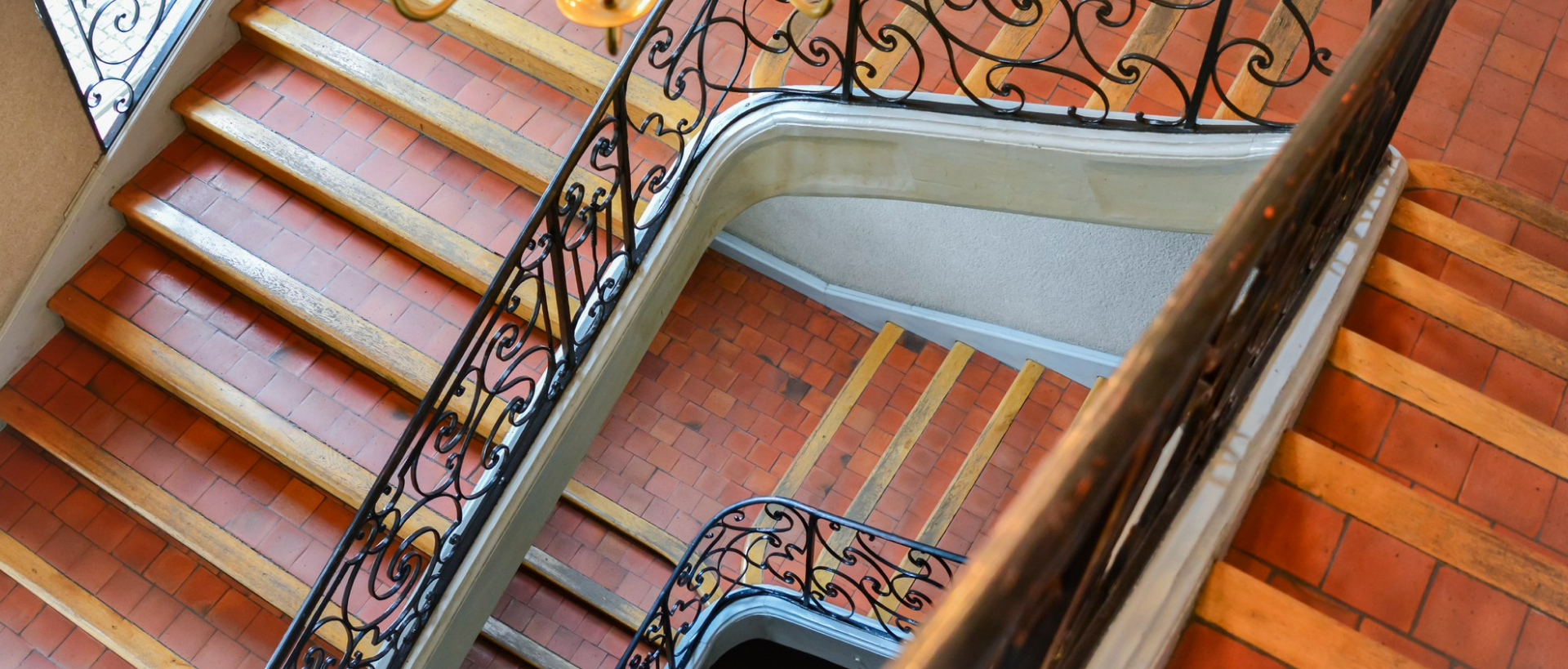
Trends can inspire your design, but timeless choices usually perform better. Be careful with ornate scrollwork, heavy knuckle balusters, glossy dark stains, orange-toned oak, bulky enclosed staircases, and oversized decorative newel caps.
Clean lines, quality craftsmanship, warm wood, simple metalwork, glass panels, and balanced mixed materials tend to age better.
9. Budget for Craftsmanship
Custom stairs and railings are priced on more than materials. Cost depends on staircase type, height, wood species, railing system, fabrication, glass thickness, hardware, engineering, finish quality, lighting, and installation complexity.
A straight staircase with oak treads and simple metal balusters usually costs less than a floating staircase with glass guards, custom steel supports, and integrated lighting.
Compare detailed scopes, not just final prices. A low quote may exclude finishing, engineering, permits, or code-related adjustments.
10. Hire the Right Stair and Railing Professionals
Custom stairs often require coordination between your architect, builder, designer, manufacturer, fabricator, engineer, and inspector.
Ask potential contractors:
- Have you built similar custom stairs?
- Do you provide shop drawings?
- Do you understand local code?
- What materials do you recommend?
- How do you handle glass, metal, or curved details?
- What warranty is included?
The right team will consider design, safety, lifestyle, maintenance, and long-term value.
Custom Stair and Railing FAQs
How much do custom-built stairs and railings cost?
Costs vary based on size, design, materials, railing type, engineering, finishing, and installation. Floating stairs, glass railings, and curved designs usually cost more than simple straight stairs.
What is the best railing material for a custom home?
Wood is warm and classic, metal is durable, glass is open and modern, and cable railings are sleek. The best choice depends on safety, budget, and maintenance.
Are glass railings safe for stairs?
Yes, when properly designed, fabricated, and installed with code-appropriate glass and hardware.
Do custom stair railings need to meet building code?
Yes. Stairs, guards, and handrails must meet local safety requirements. Always confirm code before fabrication or installation.
Ready to Design Custom-Built Stairs and Railings for Your Home?
Your staircase should do more than connect floors. It should connect your home’s design, safety, craftsmanship, and personality.
Whether you are building a luxury custom home, renovating an existing staircase, or planning a modern railing upgrade, the right team can help you create stairs that are beautiful, durable, code-compliant, and built around your lifestyle.
Planning a custom home construction and want stairs that feel as intentional as the rest of your design? Contact our team today to discuss custom-built stairs and railings that combine craftsmanship, safety, and standout style.